
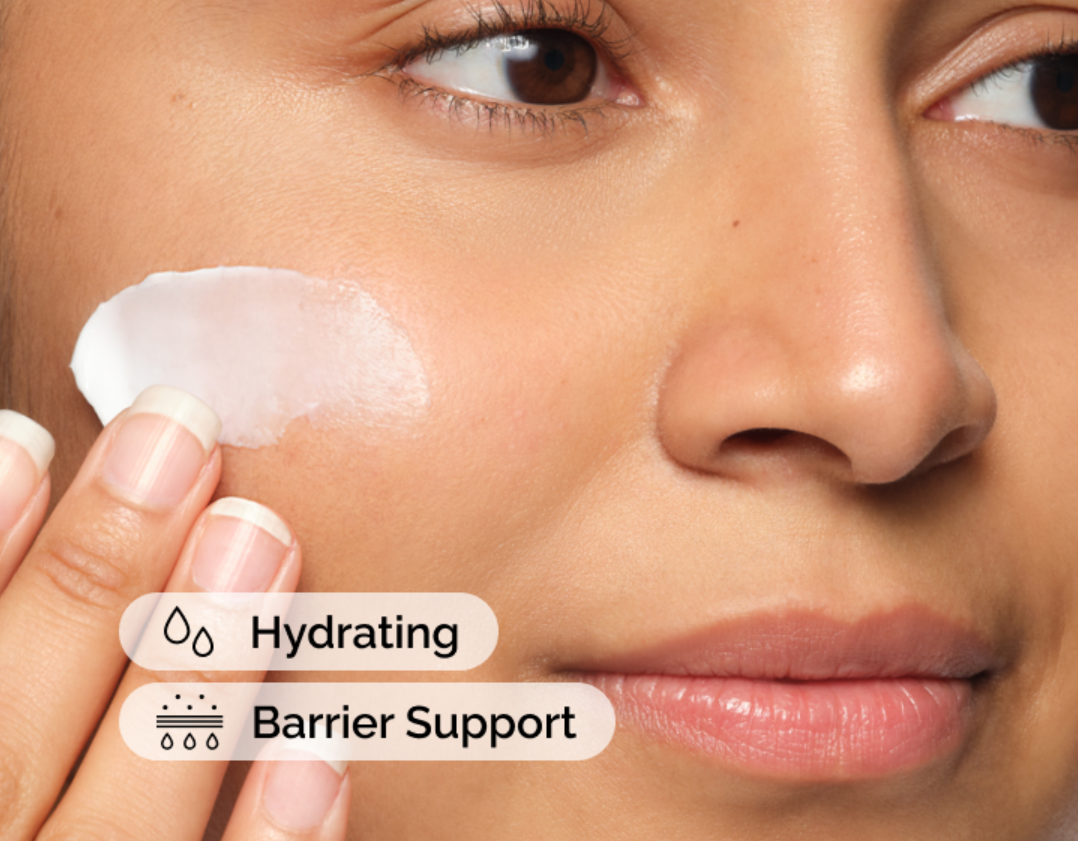
If dry skin leaves your cheeks feeling tight and you are shopping for a urea face cream, start with two details: what the ingredient list calls the moisturizer’s water-binding ingredients, and whether you prefer a cream, lotion, or gel. A search can surface a face cream with urea, a gel cream with hydroxyethyl urea, and a foot cream with a prominent percentage on its label. Those labels answer different questions. We compared four facial moisturizers available to US shoppers to show how to read the label, what a missing percentage tells you, and when a urea-free formula can still meet your needs.
What Urea Does for Dry Skin
Urea is one component of the skin’s natural moisturizing factor, a group of water-binding substances in the outermost layer. In topical formulations, its ability to help that layer retain water is relevant when ordinary dryness leaves skin feeling tight or looking rough. Grether-Beck and colleagues studied topical urea in human skin and also examined how skin cells respond to it in laboratory experiments. That work helps explain why urea appears in moisturizers. The products in this guide were outside the scope of the study.
A face moisturizer is a blend. Ingredients such as glycerin and sodium hyaluronate contribute to hydration, while emollients can help the skin feel smoother. The same ingredient can appear in a cream and a lotion with different textures and different companion ingredients. For a shopper who already knows they dislike a heavy finish, the format may be more useful than a prominent claim on the front of the package.
What This Means for Your Choices
| If You Prioritize | Look For | Keep in Mind |
|---|---|---|
| Plain urea and a cream texture | The Ordinary Natural Moisturizing Factors + HA | The brand lists urea without a percentage. |
| Plain urea in a facial lotion | Clinique Dramatically Different Moisturizing Lotion+ | Match the Lotion+ name on the label. |
| A gel-cream texture | Hada Labo Tokyo Skin Plumping Gel Cream | Its label lists hydroxyethyl urea. |
| Everyday moisture without urea | Vanicream Daily Facial Moisturizer | Choose this for the overall formula if urea is optional. |
We may earn a commission from Amazon links at no extra cost to you.
When the Label Says Urea, Choose by Texture
Both products below meet the ingredient criterion. Decide whether you prefer a tube cream or a pump lotion, and check the exact product name before comparing prices.
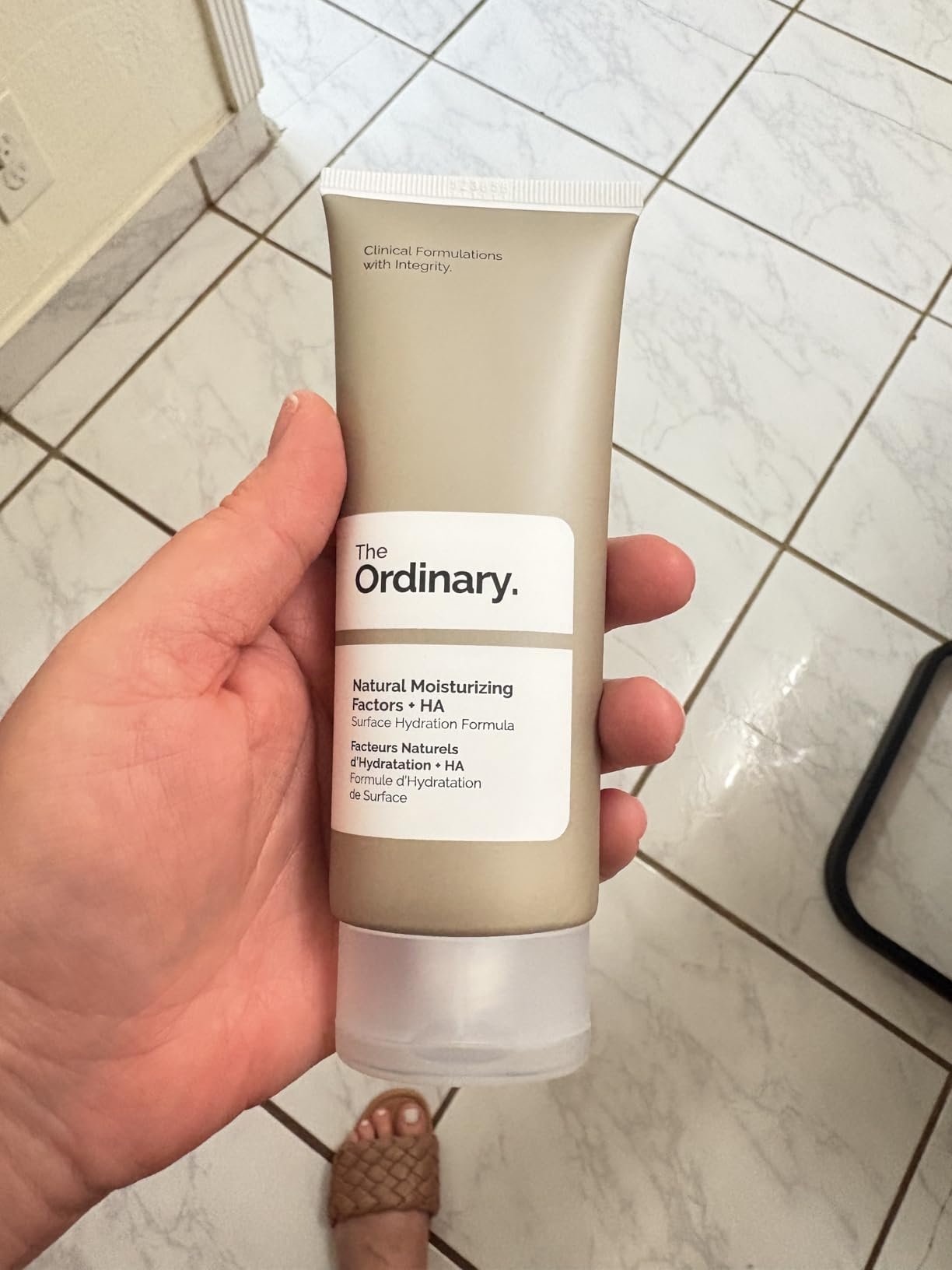
The Ordinary Natural Moisturizing Factors + HA. The Ordinary’s US ingredient list includes urea alongside sodium PCA, amino acids and sodium hyaluronate. This is a useful starting point if you want a cream with urea as one part of a broader moisturizing formula. The brand does not disclose the amount of urea, so the label cannot tell you how it would compare with a product sold at a stated percentage.
Look for the original + HA tube. The brand also sells similarly named versions with different formulas. If your main reason to buy is a disclosed concentration, keep looking even if the texture and other ingredients appeal to you. Amazon US listing
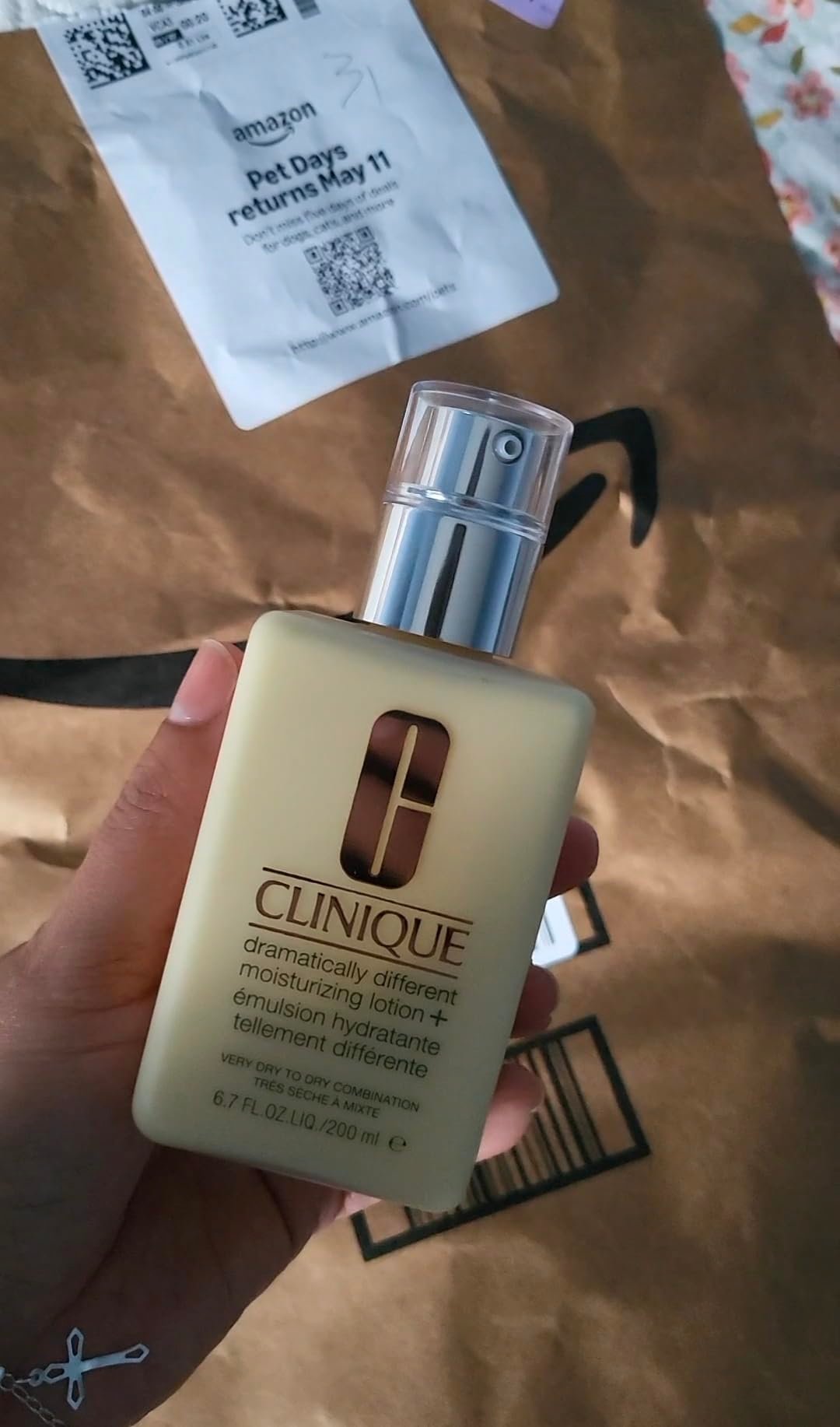
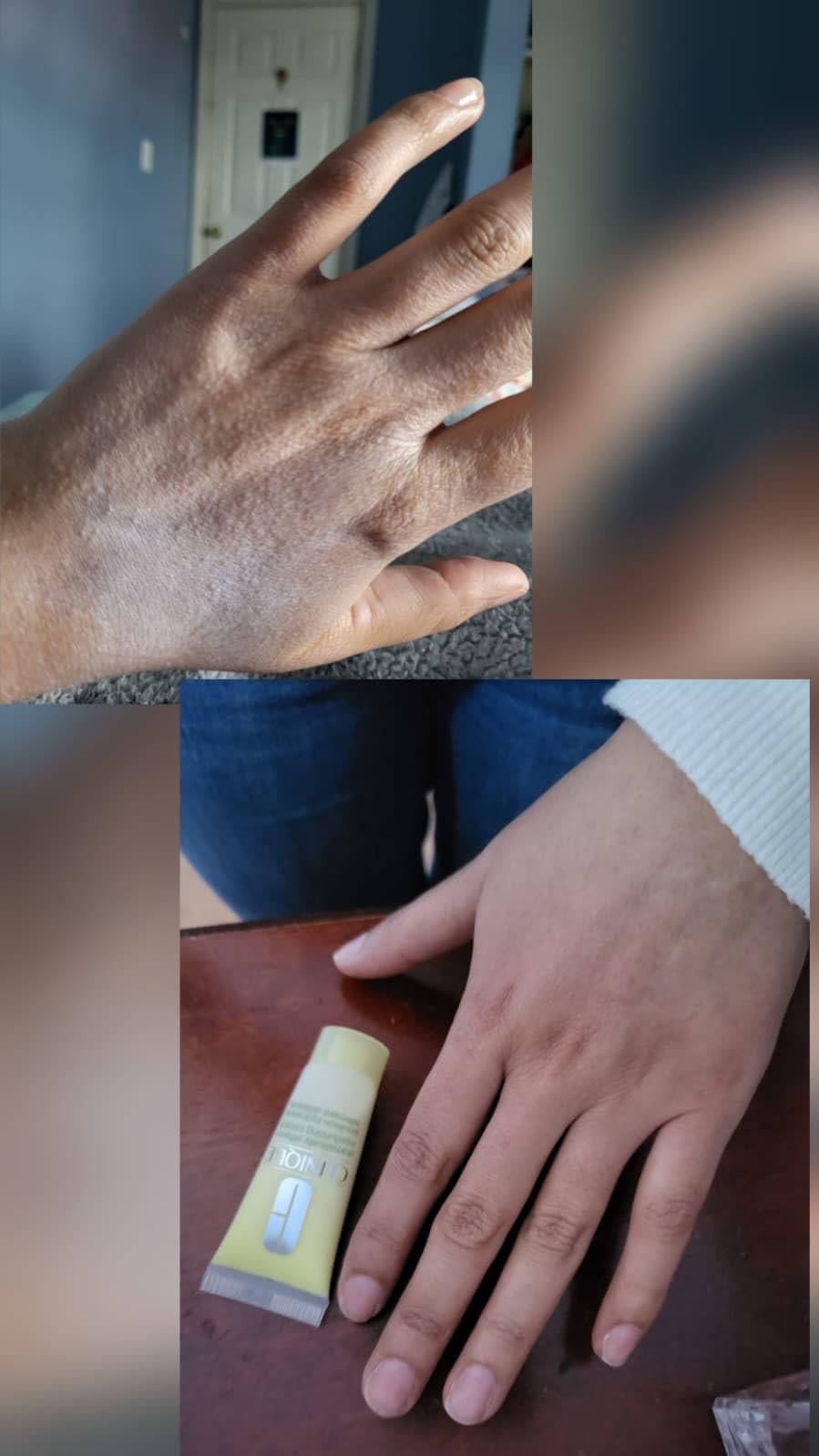
Clinique Dramatically Different Moisturizing Lotion+. The US formula lists urea along with glycerin, mineral oil and petrolatum. The lotion is worth comparing with The Ordinary if you prefer a pump and are looking for the type of moisturizer Clinique markets for very dry to dry combination skin. Its ingredient mix gives you a different formulation to consider within the same broad category of facial moisturizers with urea.
Check for Lotion+ on the package. The line also includes a separately named Moisturizing Gel, so the product family name alone is insufficient. The photo shows the 200 mL bottle. Check the size on the listing you select, and do not infer a urea percentage from the size or texture. Amazon US listing
When You Prefer a Gel Cream, Check the Ingredient Name
The distinction matters if you are specifically shopping for plain urea. If texture is your main concern, a gel cream with hydroxyethyl urea is another option.
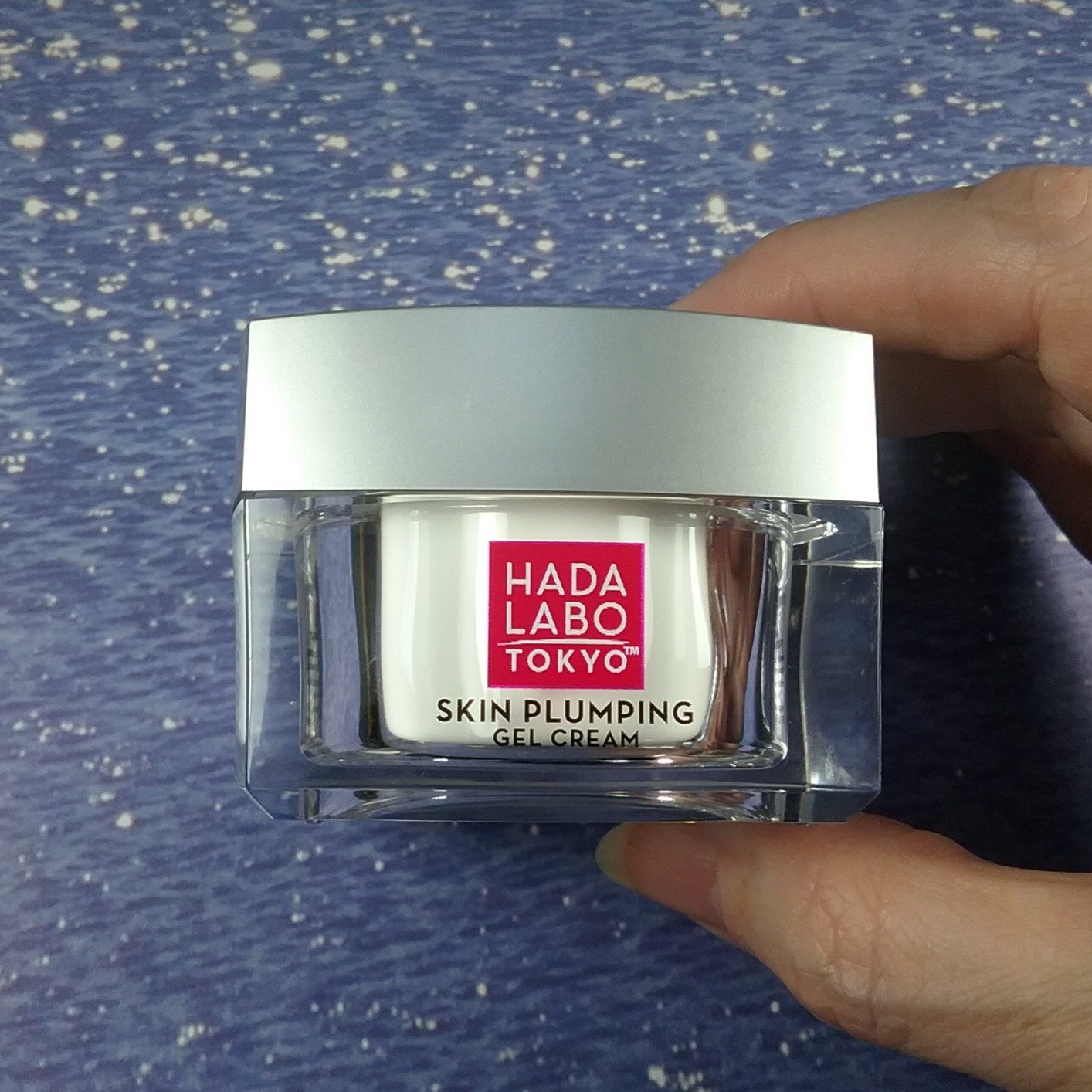
Hada Labo Tokyo Skin Plumping Gel Cream. The US ingredient list includes hydroxyethyl urea, glycerin and multiple forms of hyaluronic acid. Hada Labo Tokyo describes the product as a fast-absorbing gel cream. It makes sense to consider if you prefer a gel texture and are shopping mainly for a daily facial moisturizer.
Choose it for the format and the complete formula. If your shopping criterion is plain urea, look for the standalone word Urea elsewhere. Check the ingredient list on the jar or carton, particularly if you buy through a seller carrying imported versions. Amazon US listing
When You Just Want Everyday Moisture, Urea Is Optional
Start with how your current moisturizer feels and wears. If you are happy with it, the appearance of urea on a shopping list gives you little reason to switch.
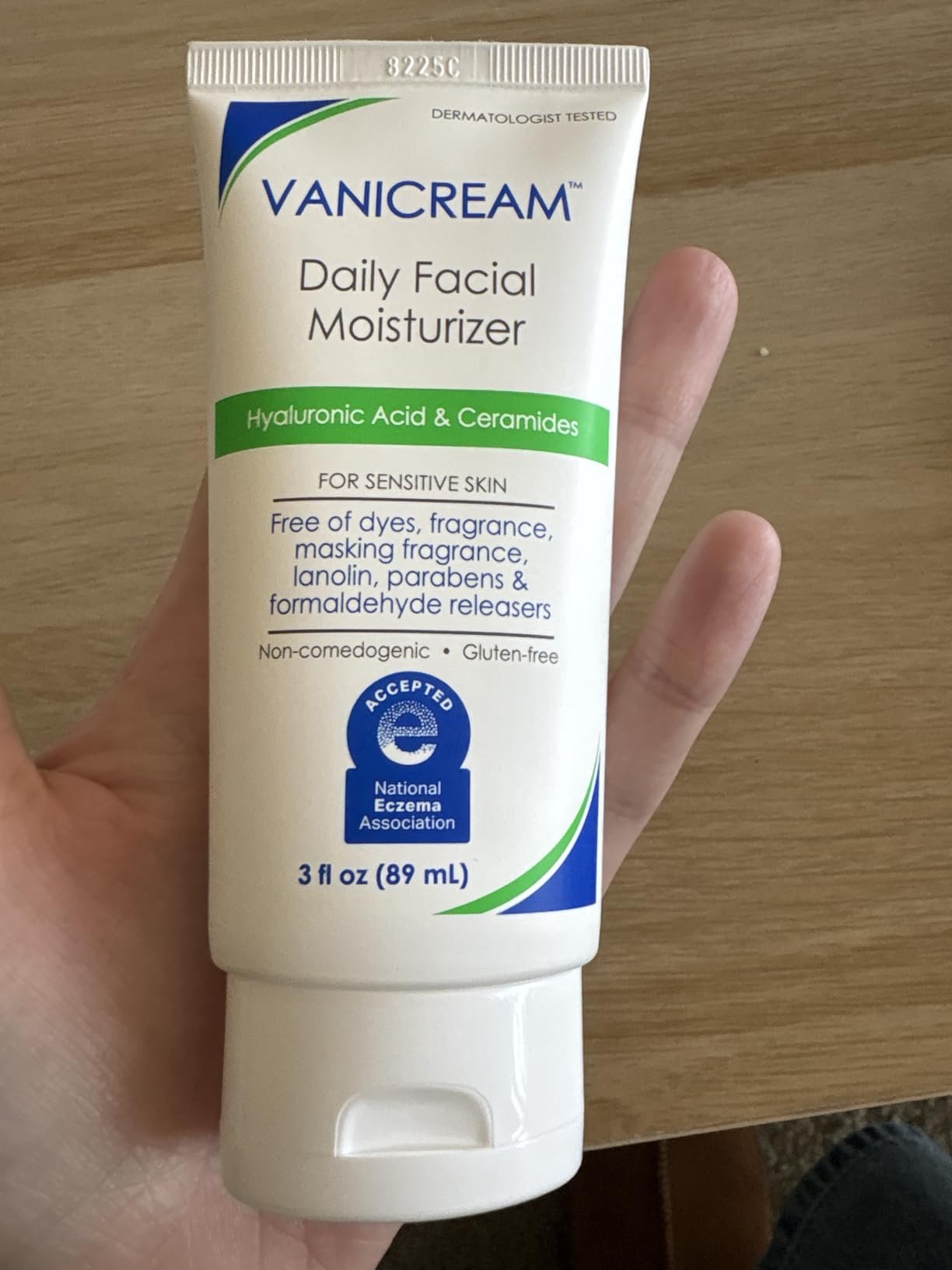
Vanicream Daily Facial Moisturizer. Vanicream’s published ingredient list includes squalane, glycerin, hyaluronic acid and ceramides. It does not list urea or hydroxyethyl urea. Consider this option if the real goal is comfortable daily moisture and you are flexible about which ingredients provide it.
Check for Daily Facial Moisturizer on the tube. Vanicream also sells a separate facial moisturizer with SPF and several moisturizers in similar packaging. If a moisturizer you already own meets the same need, there is little reason to replace it solely to add urea. Amazon US listing
How to Read the Label for Urea and Hydroxyethyl Urea
The full ingredient list is the quickest way to separate three possibilities. The Ordinary and Clinique list Urea. Hada Labo Tokyo lists Hydroxyethyl Urea. Vanicream lists neither in its Daily Facial Moisturizer. The product sections identify the formulas we checked.
None of the four brand pages we reviewed gives a percentage for the urea or hydroxyethyl urea in the selected product. That leaves the exact concentration unknown. If concentration is central to your buying decision, look for a percentage explicitly tied to the ingredient and check that the product is meant for the face. Even with a published percentage, the product’s other ingredients and intended use still matter. A high-strength formula advertised for rough heels is designed around a different use.
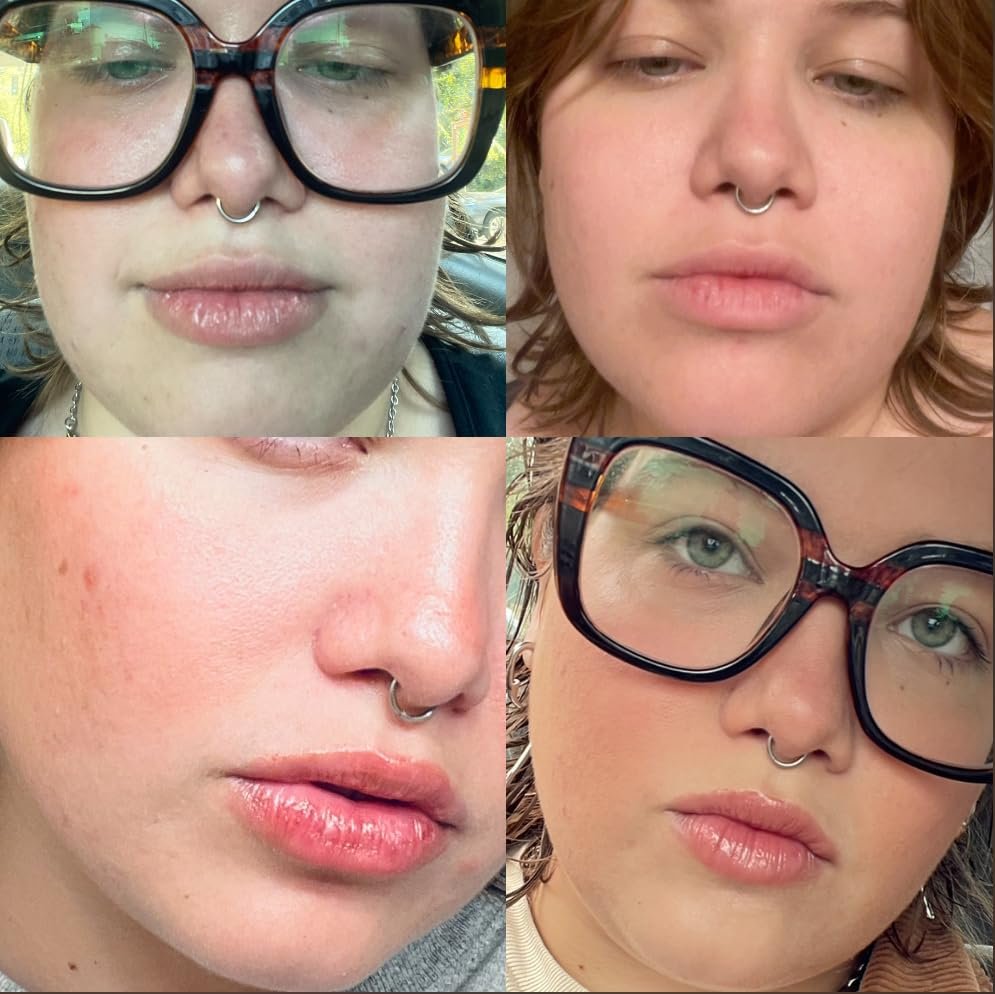
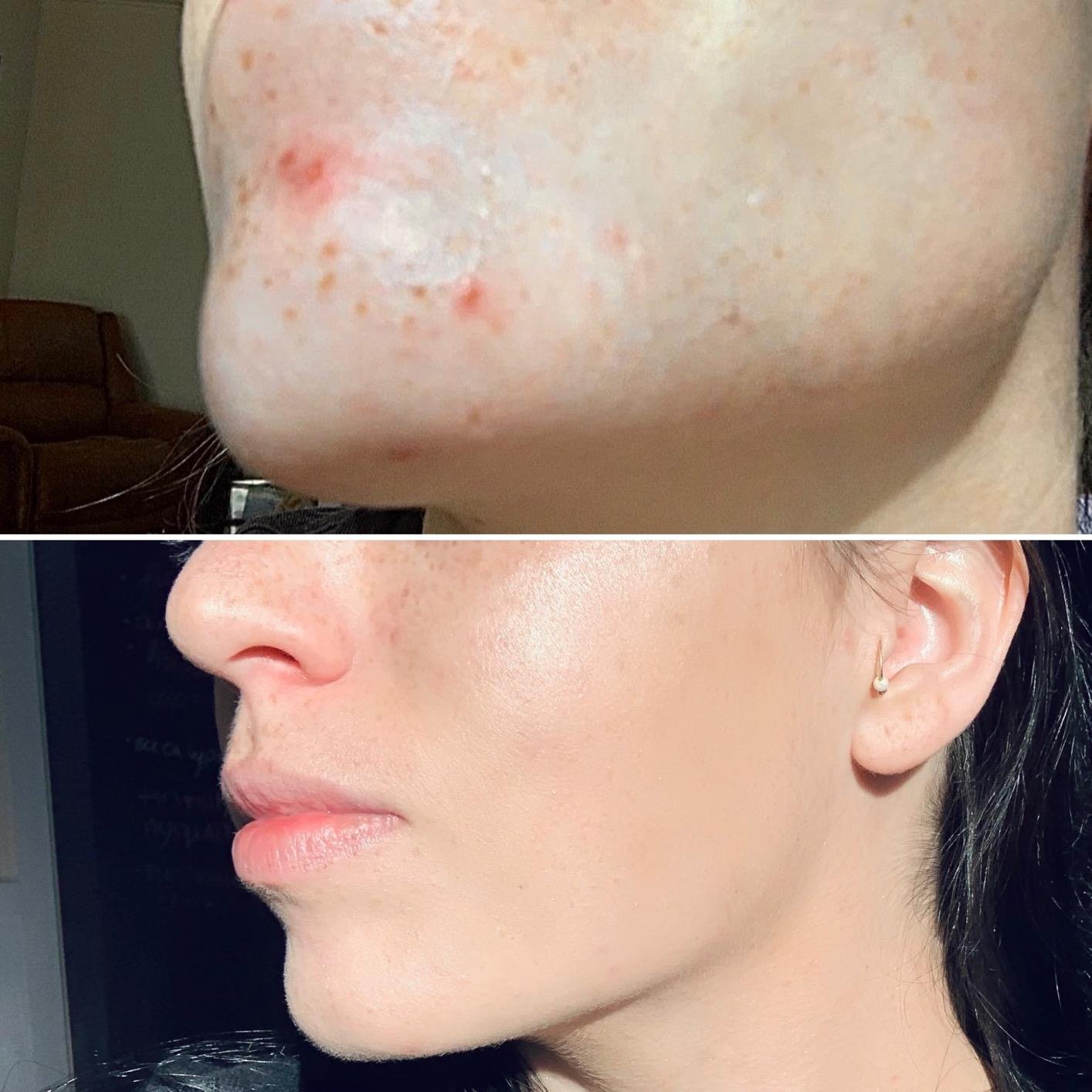
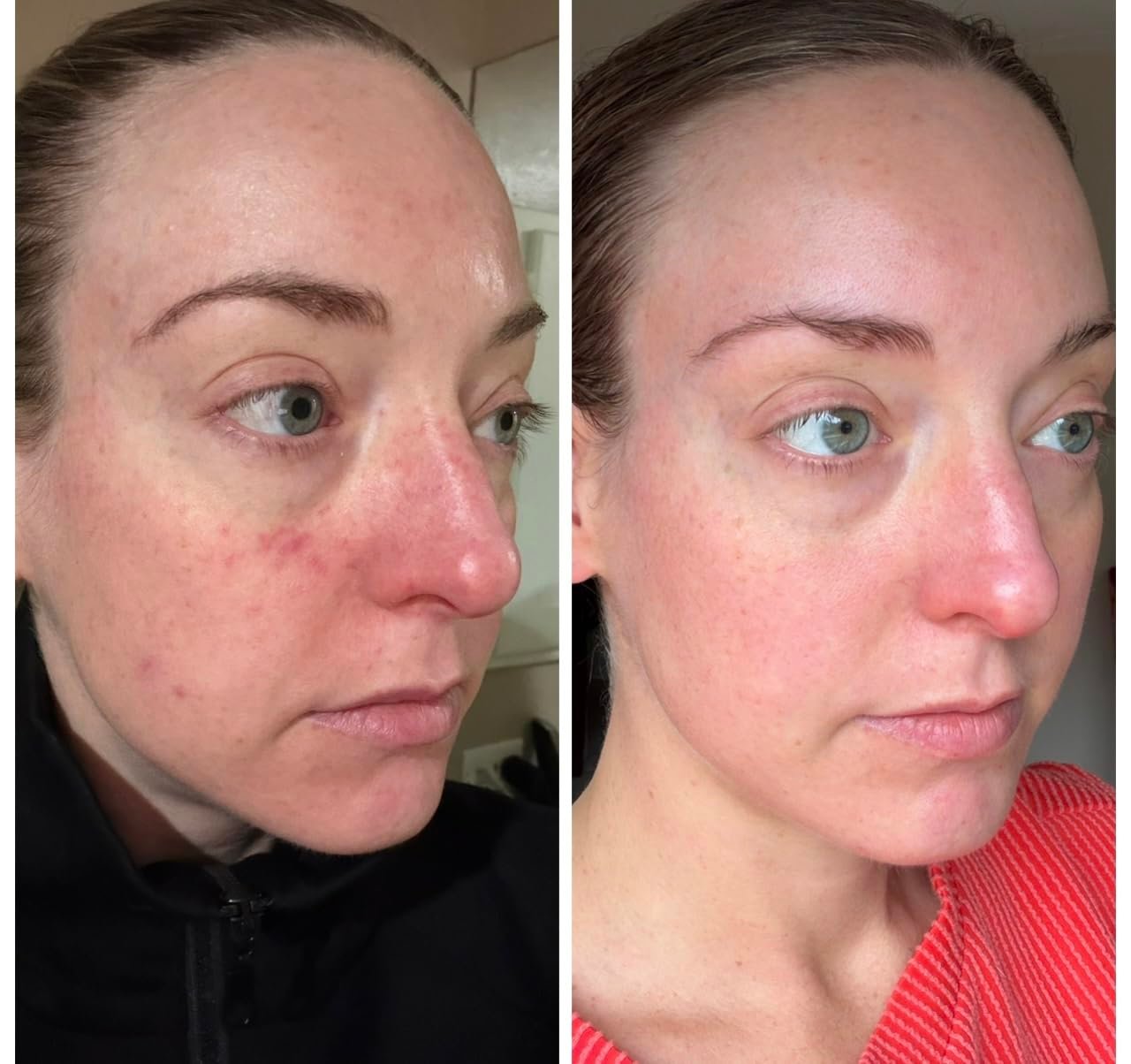
The supplied photos show packaging or individual skin images under unverified conditions. Our comparisons use ingredient labels and brand descriptions of texture and intended use. The photos cannot establish what caused a change in appearance.
Frequently Asked Questions
Is hydroxyethyl urea the same ingredient as urea?
They are separately named ingredients. If you are looking specifically for plain urea, search the full list for the standalone entry Urea. Hydroxyethyl urea can still be relevant if your goal is a moisturizing gel cream and you are open to a different formulation.
Can I tell whether a product has 5% urea from the ingredient list?
You can confirm presence from the ingredient list. For a specific percentage, look for an explicit concentration on the brand page or package for that exact formula. Neither The Ordinary nor Clinique publishes a urea percentage for the products featured here.
Do I need a urea face cream if my usual moisturizer works?
If your moisturizer already keeps your face comfortable and you like how it wears, there is no need to add a second product just for urea. Vanicream illustrates one way a face moisturizer can rely on other ingredients to provide everyday moisture.
The Practical Takeaway
Start with the kind of moisturizer you want to use. For plain urea in a cream, compare The Ordinary with your current moisturizer. For plain urea in a pump lotion, look at Clinique Lotion+. If you prefer a gel and are flexible about the ingredient, Hada Labo Tokyo is the relevant comparison. Vanicream gives you a urea-free option. If a disclosed percentage matters most, use the package and the brand’s product information to confirm it before buying.
Sources and Review Notes
- Grether-Beck et al., Journal of Investigative Dermatology reports human skin and lab research on topical urea. It does not evaluate the four retail products.
- The US brand product information supplied the ingredient lists, intended use and formula descriptions. Product information was checked November 4, 2026. Regional listings and packaging may differ.
PureBeautyGrow prepared this guide from published research and brand product information. The site has not independently tested these products.