

Sebaceous filaments are normal structures that help move oil to the skin’s surface. They are especially visible on the nose and central face, where they can look like small, evenly spaced gray or skin-colored dots. Unlike blackheads, they refill naturally, so the realistic goal is to make them look less noticeable—not to remove them permanently.
The safest routine is usually less aggressive than social-media extraction videos suggest: cleanse without stripping, use an oil cleanser carefully if it suits your skin, add no more than one targeted treatment, moisturize, and protect the skin from the sun. Tea tree formulas can be useful for some blemish-prone users, but concentrated essential oil should not be applied undiluted and can irritate sensitive skin.
Quick Answer
Do not squeeze sebaceous filaments. At night, remove sunscreen and makeup gently; two to four times per week, an emulsifying cleansing oil can help loosen surface buildup. Follow with a mild water-based cleanser if needed, then moisturizer. If you want an extra treatment, choose one formulated tea tree serum or gel and introduce it gradually.
Sebaceous filaments will return because they are part of normal skin function. Persistent redness, painful acne, scarring, or irritation needs professional advice rather than more scrubbing. Stop any product that causes burning, swelling, or ongoing peeling.
What You’ll Need
| Step | What You Need | Why It Matters |
|---|---|---|
| 01 | Identify the concern | Prevents normal filaments from being treated like inflamed acne. |
| 02 | Gentle oil cleansing Optional | Helps lift sunscreen, makeup, and oily surface buildup without squeezing. |
| 03 | One targeted treatment Optional | Supports blemish-prone skin without stacking multiple irritating formulas. |
| 04 | Moisturizer | Supports the barrier after cleansing and treatment. |
| 05 | Daily sunscreen | Protects irritated or treated skin from additional visible stress. |
Our Recommended Products at a Glance
| Step / Need | Product | Best For | Deal |
|---|---|---|---|
| Step 2Oil cleanse | MANYO Herb Green Cleansing Oil | Sunscreen or makeup removal on combination and oily skin | See Deal |
| Step 3 · OptionalLight serum | Advanced Clinicals Tea Tree Facial Serum | Users who prefer a lightweight leave-on format | See Deal |
| Step 3 · OptionalSoothing serum | IUNIK Tea Tree Relief Vegan Serum | Redness-prone skin seeking a tea tree and centella blend | See Deal |
| Step 3 · OptionalFacial oil | Clarifying Tea Tree Facial Oil | Dryer blemish-prone skin comfortable with oil textures | See Deal |
| Step 3 · OptionalSpot gel | Thursday Plantation Tea Tree Gel | Small, localized blemish-prone areas | See Deal |
| Step 3 · OptionalDaily treatment | TruSkin Tea Tree Oil Acne Treatment | Users wanting a blended face treatment rather than pure oil | See Deal |
Editor’s note: Tea tree products do not permanently remove sebaceous filaments. The five leave-on treatments below occupy a similar optional role; choose one, not all five. Check current ingredients because product formulas and concentrations can change.
How to Care for Sebaceous Filaments: Step by Step
Step 1: Check Whether They Are Sebaceous Filaments
Filaments tend to be small, flat, evenly distributed dots, especially around the nose. Blackheads are usually darker, more distinct plugs. Neither should be repeatedly squeezed: pressure can leave temporary redness and may damage the surrounding skin.
Use a normal mirror in ordinary lighting rather than a magnifying mirror. If the area is painful, inflamed, or changing rapidly, treat it as a separate concern and seek qualified advice.
Step 2: Use Oil Cleansing Without Over-Massaging
On dry hands and a dry face, spread the oil gently for about 30–60 seconds. Add water until it turns milky, rinse thoroughly, and follow with a gentle water-based cleanser only if residue remains. Start two or three nights per week rather than performing a long “grit” massage every day.
STEP 02 · BEST CLEANSING STEP
MANYO Herb Green Cleansing Oil
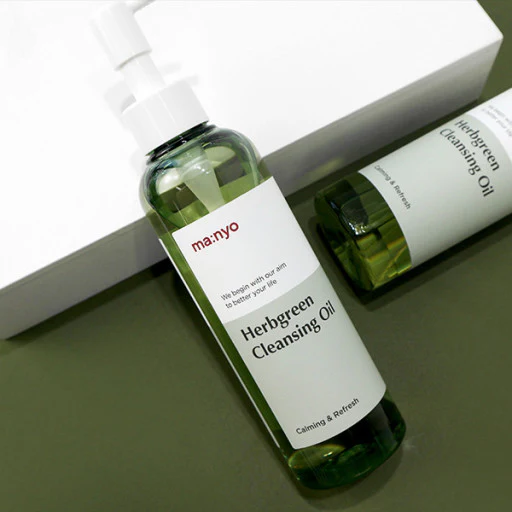
Best forCombination or oily skin
FormulaEmulsifying cleansing oil
TextureLight oil that turns milky with water
Routine roleFirst night-cleansing step
Why it stands out
This is the only rinse-off cleanser in the original shortlist, so it fits the guide’s main method better than a stack of leave-on tea tree products. Its job is to remove oil-soluble sunscreen and makeup while reducing the urge to squeeze visible filaments.
What it feels like in a real routine
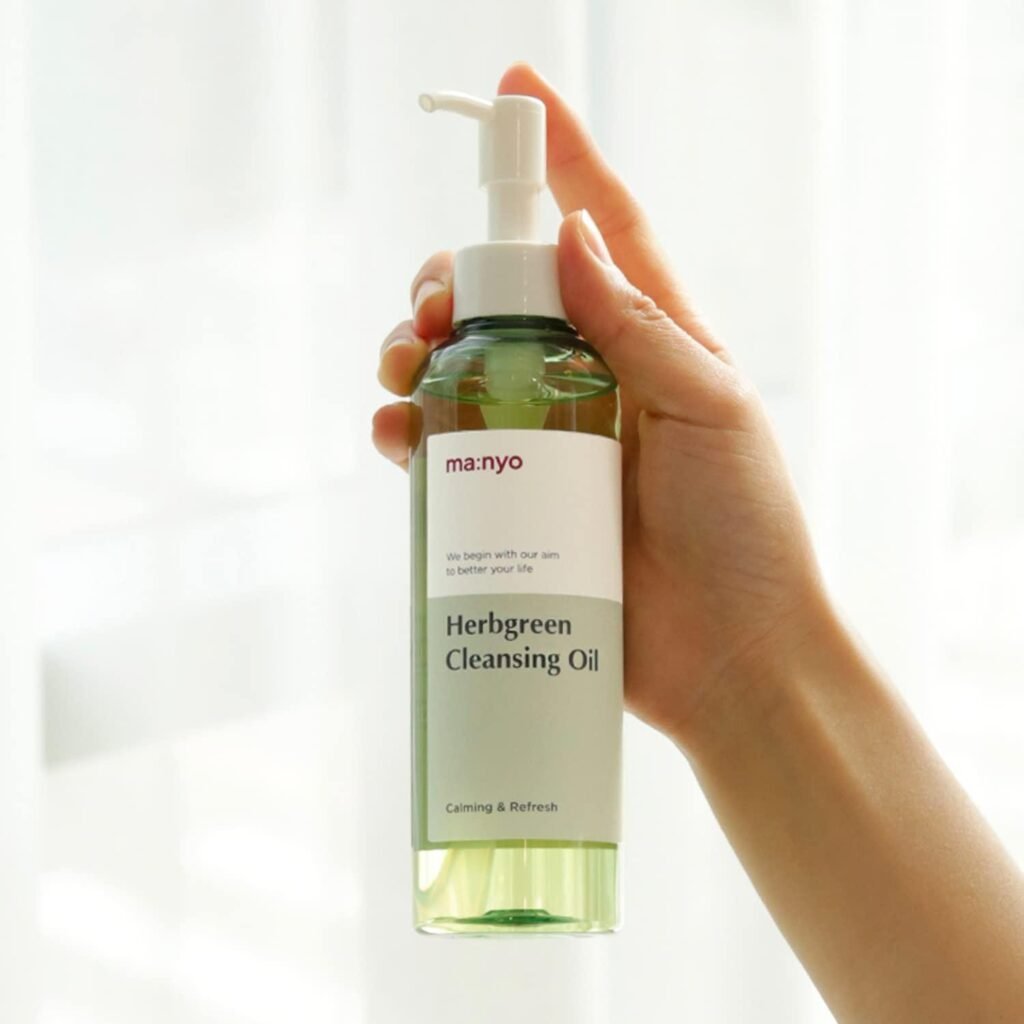
Use a modest amount on dry skin, then emulsify completely. The lighter texture suits users who dislike thick balms, though the herbal scent may not appeal to everyone. Long massages are unnecessary; stop if rubbing makes the nose red or tender.
At the sink, two or three pumps provide enough glide for sunscreen without tugging. Massage for about half a minute instead of chasing every visible nose dot, then add wet hands until the oil turns milky. Rushed emulsification can leave a film that feels like congestion. The herbal scent is noticeable, and contact-lens users should avoid flooding the eyes. It belongs in an evening double cleanse more naturally than a bare-skin morning routine.
The pump is convenient at the sink, though the oil should be kept away from dripping water and capped between uses.
Buy it if
- You remove sunscreen or makeup nightly
- You prefer a lighter cleansing oil
- You will emulsify and rinse carefully
Skip it if
- Fragrant herbal formulas bother you
- Your skin dislikes oil cleansing
- You expect permanent pore removal
What works
- Practical first-cleanse role
- Rinses rather than staying on skin
- Reduces reliance on squeezing
Tradeoffs
- May need a second gentle cleanse
- Over-massaging can still irritate
WHY IT’S WORTH A LOOKIt supports the most useful step in this guide: consistent, low-friction removal of oily buildup.
See MANYO’s Latest Price →Step 3: Add Only One Targeted Treatment
Tea tree can be irritating, especially when several products are layered. Patch test, follow the label, and start on alternate nights. Never substitute undiluted tea tree essential oil for a properly formulated facial product.
STEP 03 · BEST LIGHTWEIGHT SERUM
Advanced Clinicals Tea Tree Oil Facial Serum
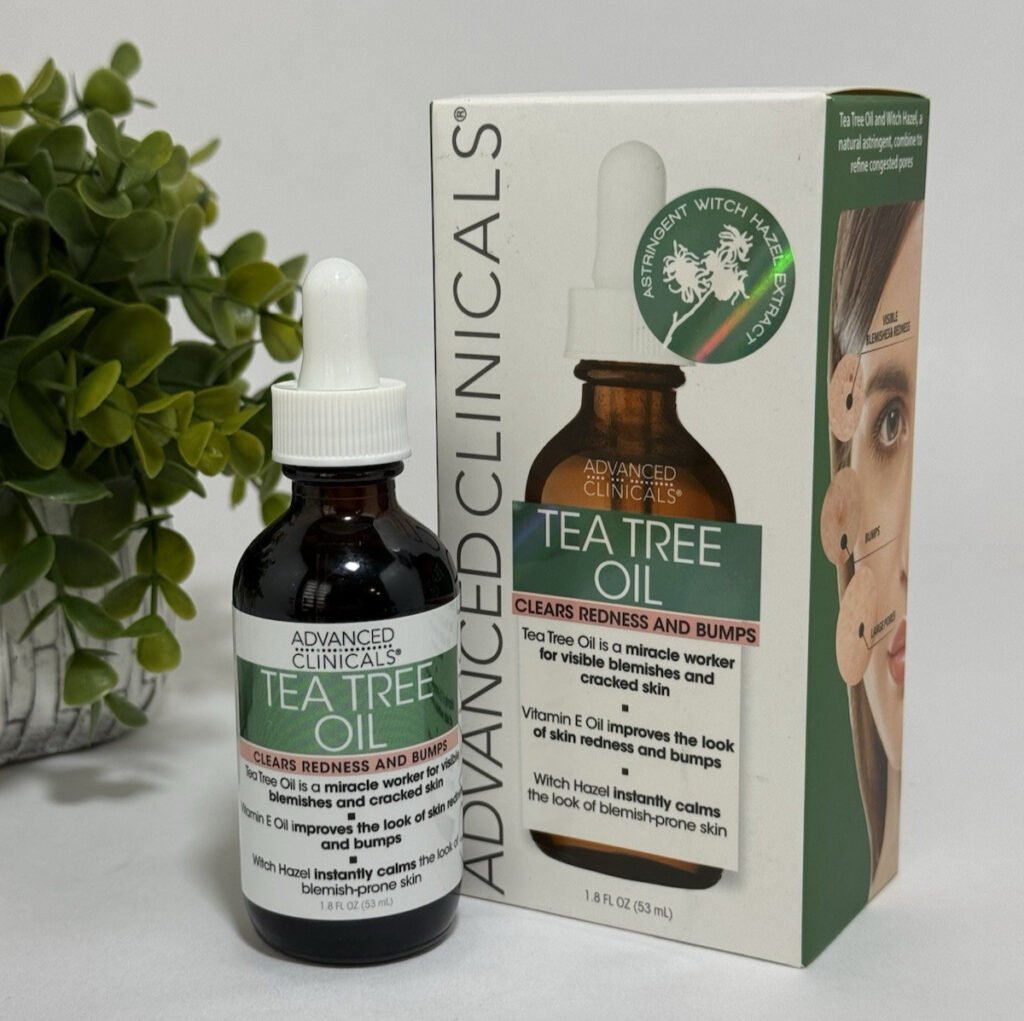
Best forOilier blemish-prone skin
FormulaTea tree facial serum blend
TextureLight lotion-serum
Routine roleOptional leave-on treatment
Why it stands out
The pump format and lighter feel make this easier to dose than straight essential oil. It is a practical choice for users who want one broad leave-on step, but it should not be combined with every other tea tree treatment listed here.
What it feels like in a real routine
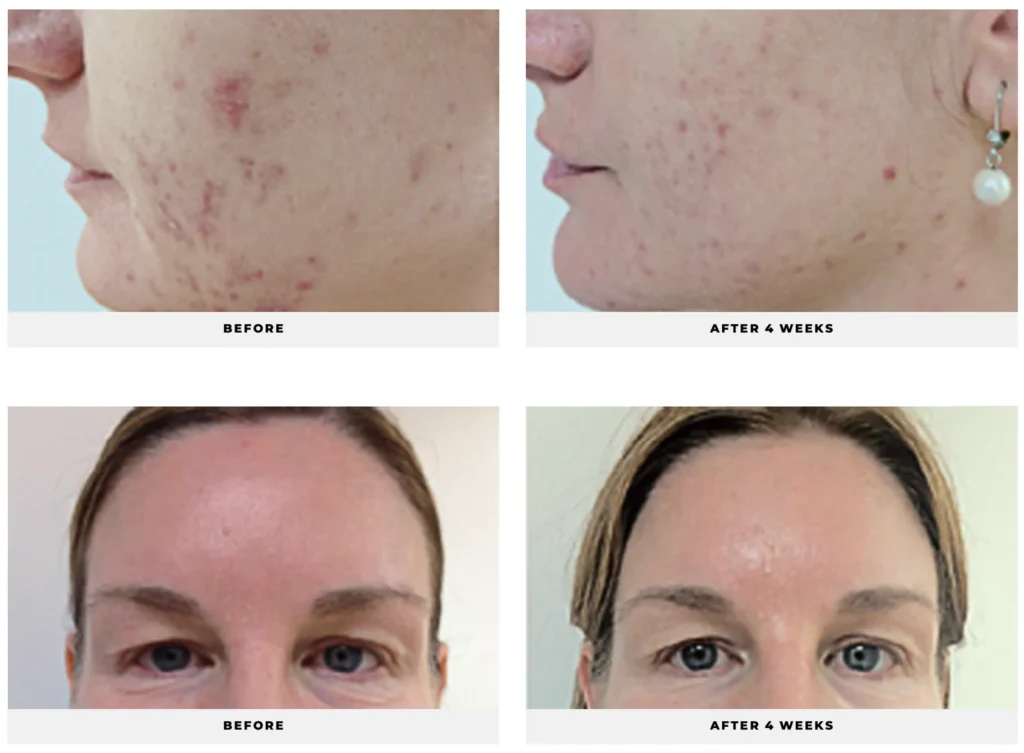
A thin layer spreads faster than a facial oil and can sit under moisturizer. Begin with a small amount on the congested area rather than coating the face. If it leaves tightness, reduce frequency instead of compensating with more actives.
Advanced Clinicals feels like a conventional lightweight serum rather than pure tea tree oil, making it easy to spread and easy to overuse. One pump over the nose and chin is more sensible than repeated spot layers. It can sit under plain moisturizer after a minute, though silicone-heavy combinations may pill. Humid-climate users may like the low-oil finish; dry cheeks should be avoided if congestion is limited to the center of the face.
A damp washcloth removes the residue more evenly than repeated splashing, but use almost no pressure around an irritated nose.
Buy it if
- You prefer a pump serum
- You want a light optional step
- Your skin already tolerates tea tree
Skip it if
- Your barrier is irritated
- You are sensitive to aromatic botanicals
- You use another tea tree treatment
What works
- Easy dosing
- Faster layering than oil
- Targeted routine role
Tradeoffs
- May feel drying
- Not a permanent filament solution
WHY IT’S WORTH A LOOKIt offers a straightforward serum format for users who already know tea tree suits their skin.
Check the Current Serum Offer →STEP 03 · BEST SOOTHING OPTION
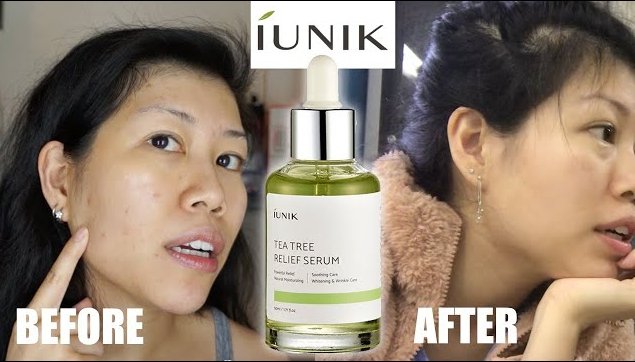
IUNIK Tea Tree Relief Vegan Serum
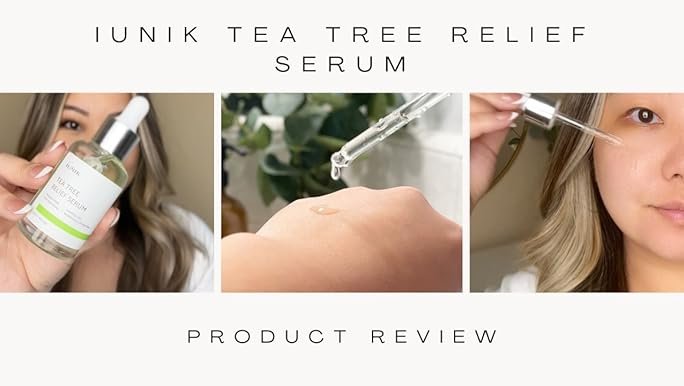
Best forRedness-prone combination skin
FormulaTea tree and centella blend
TextureWatery serum
Routine roleOptional calming treatment
Why it stands out
IUNIK is the more hydration-friendly serum choice in the group. Pairing tea tree with centella gives it a gentler positioning than concentrated spot products, though reactive skin should still introduce it cautiously.
What it feels like in a real routine
The fluid spreads with little weight and fits naturally before moisturizer. One thin layer is enough. It is better viewed as a calming serum for blemish-prone skin than as a product that extracts or erases filaments.
iUNIK is watery and low-residue, so two or three drops disappear before moisturizer without facial-oil shine. Its tea-tree character is milder than a straight essential oil but can still bother reactive skin. It fits an evening routine and can sit under daytime sunscreen once dry. Expect hydration and a calmer surface, not disappearing filaments; those dots refill naturally, and squeezing after serum only adds irritation.
It also dries fast enough for a morning routine, provided moisturizer follows before any tight feeling develops.
Buy it if
- You prefer watery Korean serums
- Redness and oiliness coexist
- You want a lighter finish
Skip it if
- Tea tree irritates you
- You need a richer moisturizer
- You expect instant pore changes
What works
- Easy under moisturizer
- Less oily finish
- Simple alternate-night use
Tradeoffs
- Gradual, subtle role
- Still needs patch testing
WHY IT’S WORTH A LOOKIt is the most natural fit for users who want tea tree in a light, calming serum.
See IUNIK’s Latest Price →STEP 03 · BEST OIL TEXTURE
Clarifying Tea Tree Facial Oil
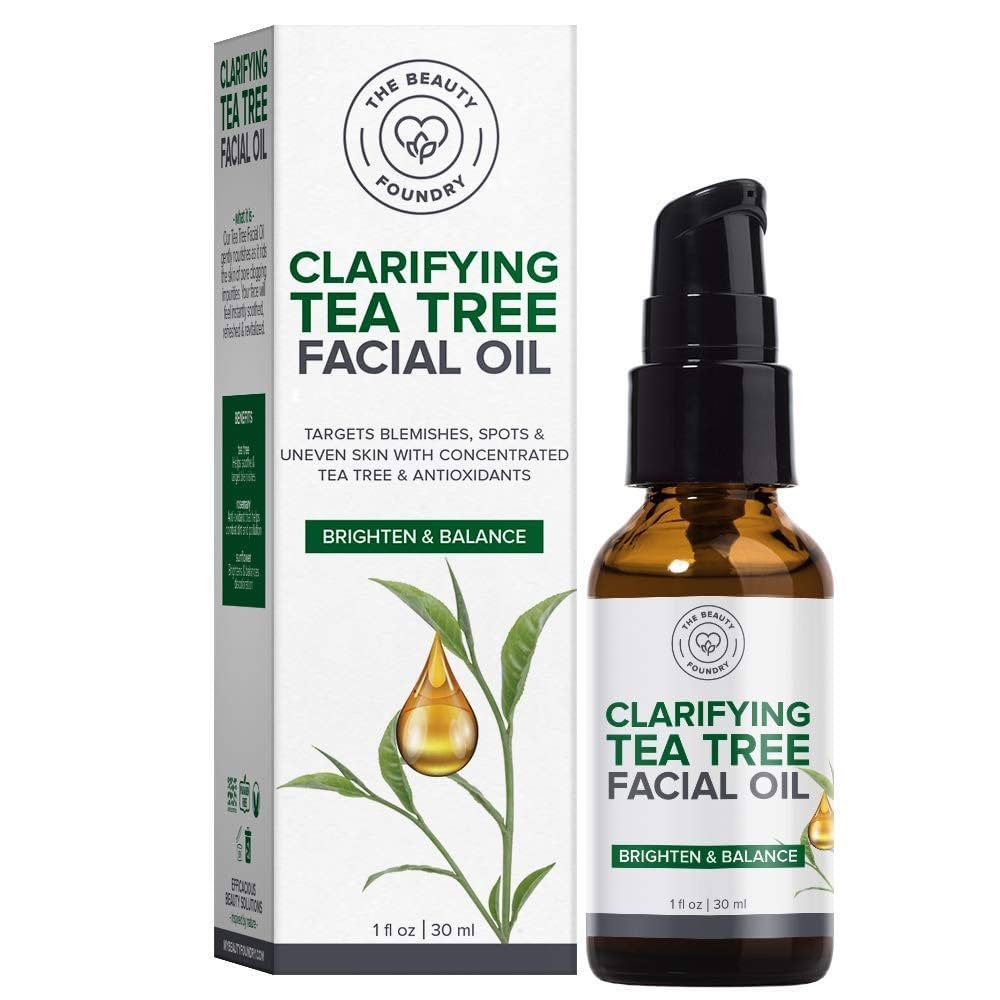
Best forDryer blemish-prone skin
FormulaPre-blended facial oil
TextureRich oil
Routine roleOptional final treatment layer
Why it stands out
This option is distinct because its oil base may suit users who find tea tree gels too drying. It is not the same as cleansing oil: it stays on the skin and should be used sparingly after lighter layers.
What it feels like in a real routine
Warm one or two drops between fingertips and press onto a limited area. More is not better: a heavy layer can feel greasy and may not suit users who are already very oily or clog-prone.
One or two oil drops pressed onto a flaky, congested area can reduce friction, while a full-face layer may remain shiny and transfer to bedding. The tea-tree aroma is stronger than in a water serum and can bother nearby eyes. This format makes more sense for combination skin with dry patches than uniformly oily summer skin. Patch testing matters because essential oils are not automatically gentle or pore-clearing.
Travel users should decant carefully, since facial oils can leak and stain a toiletry bag if the dropper loosens.
Buy it if
- You tolerate facial oils
- Gel treatments feel too drying
- You prefer night use
Skip it if
- You dislike oily finishes
- Your pores clog easily from oils
- You want a rinse-off cleanser
What works
- More cushioning texture
- Very small amount needed
- Fits dry climates
Tradeoffs
- May feel heavy
- Easy to overapply
WHY IT’S WORTH A LOOKIt provides the richest option for users who know that facial oils work for them.
Review the Current Facial Oil Offer →STEP 03 · BEST SPOT GEL
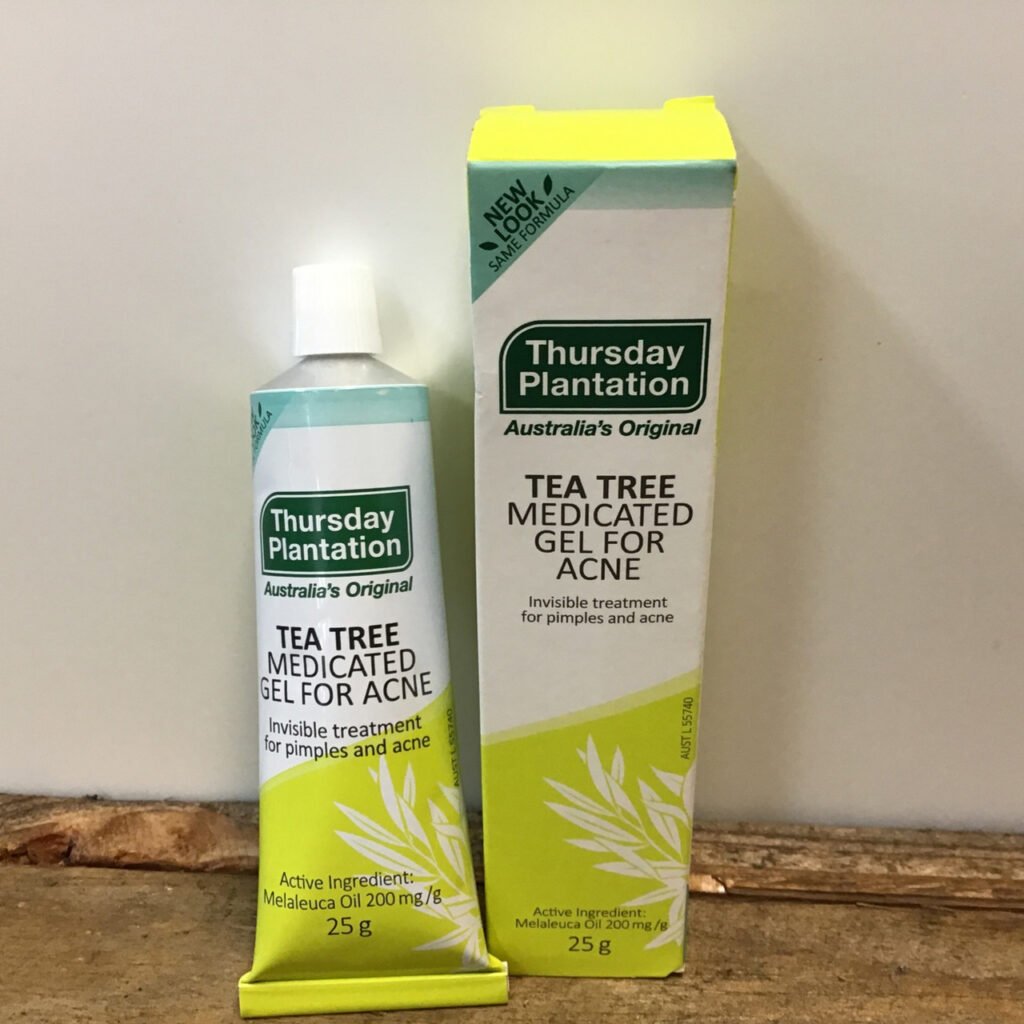
Thursday Plantation Tea Tree Gel
Best forSmall blemish-prone areas
FormulaTea tree gel treatment
TextureQuick-drying gel
Routine roleLocalized optional step
Why it stands out
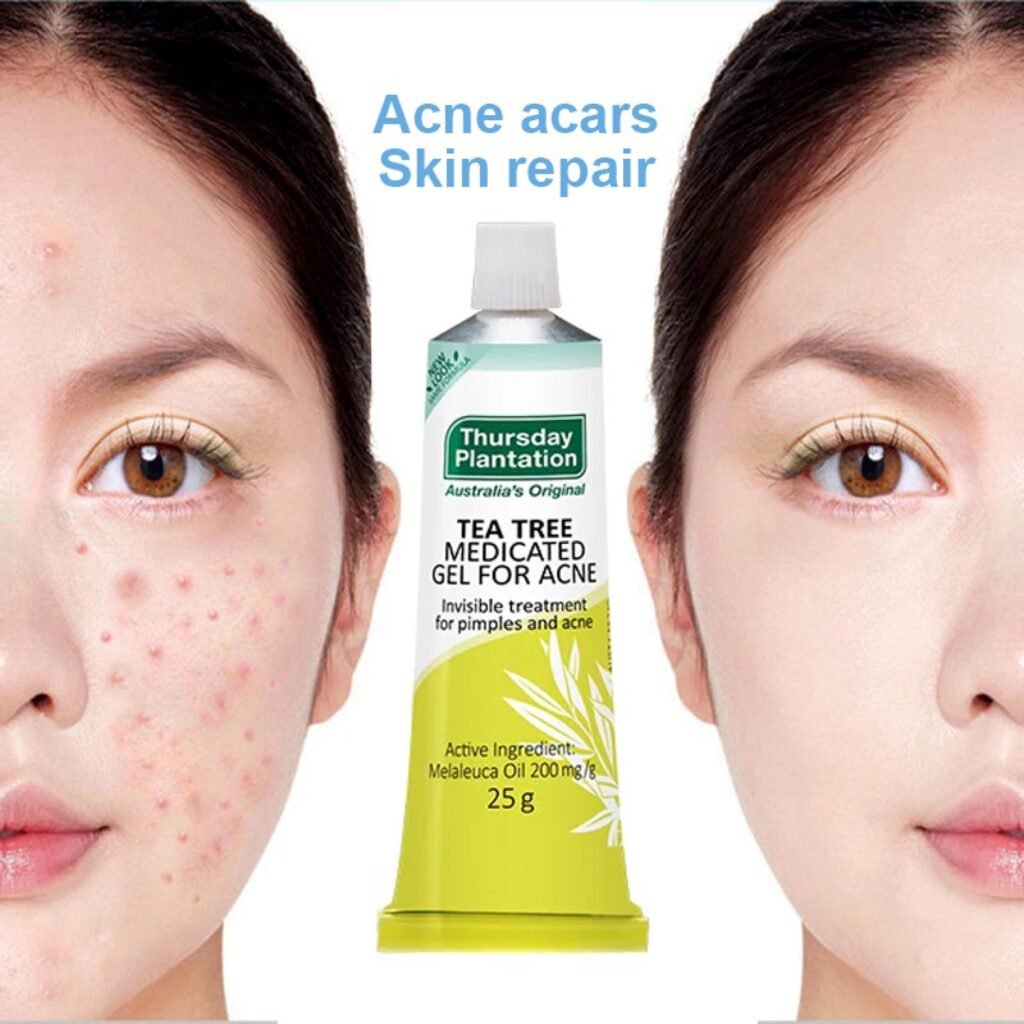
The gel format encourages targeted use instead of spreading tea tree across the entire face. It is more relevant to individual blemishes than to normal sebaceous filaments, so it should not be used as a full-nose mask unless the label specifically directs that use.
What it feels like in a real routine
A thin dab dries faster than an oil and is easy to confine to one area. The tradeoff is that gels can feel tight or sting on compromised skin. Keep it away from eyes and stop if irritation persists.
The gel has an immediate tea-tree smell and quickly drying, cooling feel like a classic drugstore spot treatment. A pinhead amount stays on a chin blemish better than runny oil, but it can leave a tight edge or visible film under makeup. Apply moisturizer around the spot, keep it away from eyes and lips, and stop if flaking appears. Strong scent is not evidence of stronger acne control.
Because the gel can dry invisibly, wash hands after spot application rather than accidentally transferring it near the eyes.
Buy it if
- You need localized application
- You prefer a fast-drying gel
- You follow label directions carefully
Skip it if
- Your concern is only normal filaments
- Your skin is dry or peeling
- You react to tea tree scent
What works
- Precise spot use
- Portable tube
- No oily finish
Tradeoffs
- Can feel drying
- Not designed for permanent pore clearing
WHY IT’S WORTH A LOOKIt makes sense when you want a small-area treatment rather than another full-face serum.
See the Tea Tree Gel’s Latest Price →STEP 03 · BEST BLENDED DAILY TREATMENT
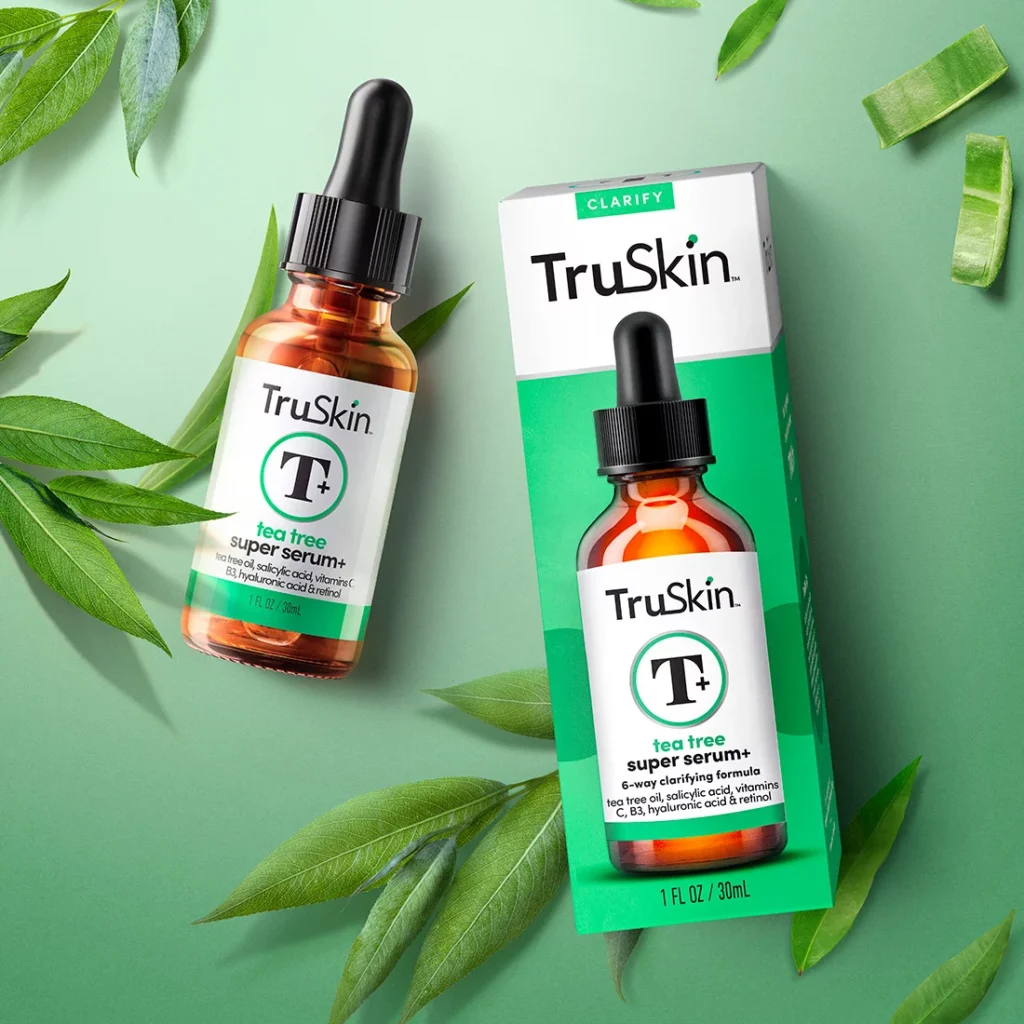
TruSkin Tea Tree Oil Acne Treatment
Best forEstablished tea tree users
FormulaBlended facial treatment
TextureLight liquid serum
Routine roleOptional leave-on treatment
Why it stands out
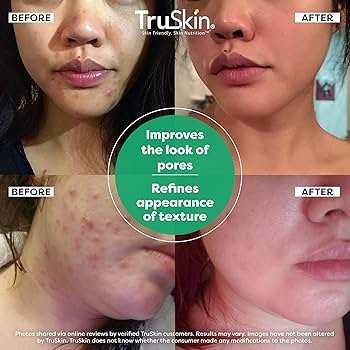
TruSkin provides a formulated face product rather than asking users to dilute essential oil themselves. It belongs in the same decision slot as the other tea tree serums, not alongside them.
What it feels like in a real routine
Apply a small amount after cleansing and before moisturizer. Keep the rest of the routine bland while assessing tolerance. If the finish pills or feels tight, reduce both quantity and frequency.
TruSkin dries with less shine than facial oil. Use one thin pass over the nose or chin, then pause before moisturizer. A generous layer can become tacky or roll beneath another gel. The botanical scent may be noticeable, and sensitive users should not combine it with a scrub, peel, and retinoid on one night. It may reduce greasy feel, but it will not permanently remove sebaceous filaments.
Under makeup, a thin layer behaves better than a full dropper and reduces the chance of foundation separating around the nose.
Buy it if
- You want a pre-blended treatment
- You prefer a dropper format
- Your skin tolerates tea tree
Skip it if
- You already own a tea tree serum
- Your barrier is reactive
- You expect extraction-like results
What works
- Clear routine placement
- Small amount per use
- Lighter than facial oil
Tradeoffs
- Possible dryness or sensitivity
- Does not stop filaments returning
WHY IT’S WORTH A LOOKIt is a practical alternative to DIY essential-oil mixing for experienced tea tree users.
Check TruSkin’s Current Price →Step 4: Moisturize Even If Your Skin Is Oily
Use a fragrance-free or low-irritant moisturizer that leaves skin comfortable. A damaged barrier can make oiliness and visible texture harder to manage. None of the original six products is a dedicated moisturizer, so this guide does not force one into the shortlist.
Step 5: Use Sunscreen Every Morning
Finish with broad-spectrum sunscreen. This matters especially if you also use exfoliating acids or other acne treatments outside this list. No sunscreen appeared in the original shortlist, so choose one that you can apply generously and wear consistently.
Best Products for This Routine
- Best practical cleansing step: MANYO Herb Green Cleansing Oil
- Best lighter calming serum: IUNIK Tea Tree Relief Serum
- Best localized option: Thursday Plantation Tea Tree Gel
- Best for users who prefer facial oils: Clarifying Tea Tree Facial Oil
Morning vs Night Routine
| Step | Morning | Night |
|---|---|---|
| Cleanse | Water rinse or gentle cleanser as needed | Remove sunscreen and makeup; oil cleanse when useful |
| Treatment | Optional; one product only | Optional; alternate nights to start |
| Moisturize | Light, comfortable layer | Enough to prevent tightness |
| Sunscreen | Essential final step | Not needed |
How Often Should You Follow It?
- Gentle cleansing: daily as needed.
- Oil cleansing: begin two or three nights weekly; increase only if skin stays comfortable.
- Tea tree treatment: start on alternate nights or according to the label.
- Moisturizer: morning and night.
- Sunscreen: every morning and reapplied according to exposure.
Common Mistakes to Avoid
- Squeezing the nose repeatedly.
- Massaging cleansing oil for many minutes to chase “grits.”
- Applying undiluted tea tree essential oil.
- Layering multiple tea tree serums and gels.
- Scrubbing or using pore strips too often.
- Skipping moisturizer because the skin is oily.
Starter Setup vs Full Routine
Starter Setup
Gentle cleanser, moisturizer, and morning sunscreen. Add MANYO only when sunscreen or makeup removal needs more help.
Full Routine
Use the starter routine plus oil cleansing several nights per week and one selected leave-on treatment if your skin tolerates it.
Which Products Do You Really Need?
Essential
- Gentle cleanser
- Moisturizer
- Broad-spectrum sunscreen
Helpful but Optional
- Emulsifying cleansing oil
- One formulated tea tree serum, oil, or gel
Usually Unnecessary
- Every treatment in this article
- Undiluted essential oil
- Daily pore strips, metal extractors, or harsh scrubs
- Long, forceful massage sessions
How Long Until They Look Less Noticeable?
| Timeline | What to Expect |
|---|---|
| After cleansing | Surface oil and buildup may look temporarily reduced |
| 1–2 weeks | A clearer sense of whether the routine is comfortable and sustainable |
| 4–8 weeks | A better basis for judging visible congestion patterns |
| Longer term | Filaments still refill; maintenance is more realistic than permanent removal |
Frequently Asked Questions
Can sebaceous filaments be removed permanently?
No. They are part of normal pore function and refill. A consistent routine can make them less noticeable.
Are they the same as blackheads?
No. Filaments are usually smaller, flatter, and evenly distributed. Blackheads are distinct open comedones.
Does tea tree oil dissolve sebaceous filaments?
Tea tree is not a solvent that permanently empties pores. Formulated products may support some blemish-prone routines, but irritation can outweigh the benefit.
Can I use pure tea tree essential oil?
Do not apply it undiluted. Choose a properly formulated product and follow its directions.
Should I double cleanse every night?
Only if you need it to remove sunscreen, makeup, or water-resistant products and your skin tolerates it.
What if my nose becomes red and flaky?
Pause targeted treatments and return to gentle cleanser, moisturizer, and sunscreen. Seek professional advice if irritation persists.
Final Recommendation
Best simple routine: gentle cleanse, moisturize, and wear sunscreen. Add an oil cleanser only when it improves removal without irritation.
Best complete routine: use MANYO a few nights per week, then select one—not several—tea tree treatment if blemishes are also a concern. Accept that healthy sebaceous filaments return and judge success by comfort and reduced visibility, not an impossibly poreless nose.